
 English
 Portugues
 Pусский
 Français
 Deutsch
 日本語
日本語 한국어
한국어 العربية
 Italiano
 Nederlands
 Ελληνικά
 Svenska
 Polski
 ไทย
ไทย Türk dili
 हिन्दी
 Indonesia
 Melayu
 Tiếng Việt
 中文
中文 dansk
dansk Magyar
 қазақ
қазақ বাংলা
বাংলা עִברִית
 čeština
 Soomaali
 မြန်မာ
 فارسی
فارسی українська
 norsk
norsk Gaeilge
 беларускі
 Română
 ພາສາລາວ
 Filipino
 lietuvių
 Cymraeg
 македонски
 Suomalainen
 slovenský
 o'zbek
 اردو
اردو հայերեն
 Igbo
Igbo български
 سنڌي
سنڌي Shona
Shona සිංහල
සිංහල Hrvatski
 íslenskur
 galego
 català
 Zulu South Africa
 Afrikaans isiXhosa
 ಕನ್ನಡ
ಕನ್ನಡ lëtzebuergesch
 Indonésia Sunda
 Кыргызча
 тоҷикӣ
 Србија
 Twi
Twi Hawaii
 Cebu
Cebu नेपाल
नेपाल euskara
 frissi
 יידיש
יידיש latvija
 slovenija
 kiswahili
 ਪੰਜਾਬ
ਪੰਜਾਬ پښتو
پښتو საქართველოს
 hua moni
 bosna
bosna Kreyòl ayisyen
 Eesti
Eesti Gàidhlig na h-Alba
 Samoa
Samoa Монгол
 Azərbaycan
 አማራ
አማራ Shqipëria
 Malagasy
 Malta
Malta ខ្មែរ
ខ្មែរ Chicheva
 中文(繁体)
 ଓଡିଆ
ଓଡିଆ Setswana
 Afrikaans
 Aymara
 Башҡорт
 Türkmenler
 ትግሪኛ
ትግሪኛ Afaan Oromoo
 অসমীয়া
 Kinyarwanda
 Ilocano
 Wolof
Wolof अवधी
अवधी Oluganda
 Bikol
Bikol Fulɓe
Fulɓe Kikongo
 Sango
Sango ދިވެހި
 Lingala
 मैथिली
 Tsonga
 ꯃꯦꯏ ꯊꯥꯏ꯫
 brezhoneg
 Furlan
 नेवा
नेवा རྫོང་ཁ
 Santali
 Аҧсуа
Аҧсуа Нохчийн
 Чӑваш
Чӑваш Татар
Татар Batak Karo
 دری
دری Diura
Diura Fengyu
 Eʋegbe
 Iban
Iban Fiji
Fiji Tonga
Tonga Inuktitut
 Nahuatl
 maaya yucatec
 Runasimi
 guarani
 Qafar
Qafar Acholi
 Dinka
Dinka Luo
Luo Lundi
Lundi isiNdebele
 Tshivenḓa
 Sesotho sa Leboa
 Sesotho sa Borwa
 Ndumbe
 Papuan Pidgin
 Rromani ćhib
 Thok Nath



heat resistant rubber conveyor belt
Heat-Resistant Rubber Conveyor Belts: Features and Applications Heat-resistant rubber conveyor belts are specialized industrial belts designed to withstand high temperatures while maintaining structural integrity and performance. These belts are widely used in industries where materials are transported at elevated temperatures, such as cement production, steel manufacturing, foundries, and chemical processing. Key Features 1. Material Composition Heat-resistant conveyor belts are typically made from synthetic rubber compounds, such as EPDM (ethylene propylene diene monomer) or SBR (styrene-butadiene rubber), combined with heat-resistant additives. These materials provide excellent resistance to thermal degradation, oxidation, and cracking. 2. Reinforcement Layers The belts are reinforced with high-strength fabric or steel cords to ensure durability under high-temperature conditions. The reinforcement prevents belt elongation and maintains stability even when exposed to continuous heat. 3. Temperature Resistance Depending on the grade, heat-resistant belts can withstand temperatures ranging from 100°C to over 300°C. Some advanced belts feature special coatings to resist sudden temperature spikes or direct contact with hot materials. 4. Abrasion and Chemical Resistance In addition to heat resistance, these belts often have enhanced abrasion resistance to handle rough materials like clinker, slag, or hot aggregates. They may also resist oils, acids, and alkalis, depending on the application. Applications - Cement Industry: Transporting hot clinker, limestone, and raw meal in kilns and coolers. - Steel and Foundries: Handling hot metal scraps, sinter, and slag. - Glass Manufacturing: Moving molten glass cullet and hot-formed products. - Chemical Processing: Conveying heated chemicals, fertilizers, or plastic pellets. Advantages - Extended Service Life: Resists hardening, cracking, and delamination caused by heat exposure. - Energy Efficiency: Reduces downtime and maintenance costs due to thermal damage. - Safety Compliance: Meets industry standards for fire resistance and operational safety. Selection Considerations When choosing a heat-resistant conveyor belt, factors such as maximum operating temperature, material type, belt thickness, and load capacity must be considered. Proper belt selection ensures optimal performance and longevity in harsh environments. In summary, heat-resistant rubber conveyor belts are essential for industries requiring reliable material handling under extreme heat. Their robust construction and specialized materials make them indispensable for high-temperature applications.
Producto
Categoría:
-
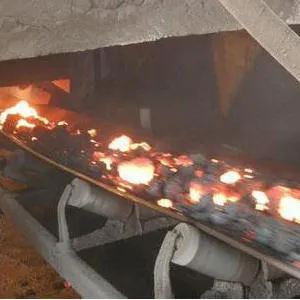
Heat Resistant Conveyor Belts
Su clasificación: Conveyor Belt SystemsVistas: 18Número:Tiempo de liberación: 2025-12-29 11:07:21Heat Resistant Conveyor BeltReliable Conveyor Belt Solution for High-Temperature Material HandlingProduct OverviewHeat-resistant conveyor belts are specially engineered industrial conveyor belts designed to transport hot materials safely and efficiently in high-temperature working environments. In industries such as cement manufacturing, steel production, power generation, mining, and metallurgy, materials are often conveyed immediately after heating processes, such as clinker discharge, sintering, slag handling, or hot ash transportation. These materials can reach temperatures far beyond the...
Noticias
Categoría:
¡Sin resultados de búsqueda!
Caso
Categoría:
¡Sin resultados de búsqueda!
Video
Categoría:
¡Sin resultados de búsqueda!
Descargar
Categoría:
¡Sin resultados de búsqueda!
Reclutamiento
Categoría:
¡Sin resultados de búsqueda!
Productos recomendados
-
NEWS
Heat Resistant Conveyor Belts
Conozca más



 Whatsapp
 Teléfono