
 English
 Portugues
 Pусский
 Français
 Deutsch
 日本語
日本語 한국어
한국어 العربية
 Italiano
 Nederlands
 Ελληνικά
 Svenska
 Polski
 ไทย
ไทย Türk dili
 हिन्दी
 Indonesia
 Melayu
 Tiếng Việt
 中文
中文 dansk
dansk Magyar
 қазақ
қазақ বাংলা
বাংলা עִברִית
 čeština
 Soomaali
 မြန်မာ
 فارسی
فارسی українська
 norsk
norsk Gaeilge
 беларускі
 Română
 ພາສາລາວ
 Filipino
 lietuvių
 Cymraeg
 македонски
 Suomalainen
 slovenský
 o'zbek
 اردو
اردو հայերեն
 Igbo
Igbo български
 سنڌي
سنڌي Shona
Shona සිංහල
සිංහල Hrvatski
 íslenskur
 galego
 català
 Zulu South Africa
 Afrikaans isiXhosa
 ಕನ್ನಡ
ಕನ್ನಡ lëtzebuergesch
 Indonésia Sunda
 Кыргызча
 тоҷикӣ
 Србија
 Twi
Twi Hawaii
 Cebu
Cebu नेपाल
नेपाल euskara
 frissi
 יידיש
יידיש latvija
 slovenija
 kiswahili
 ਪੰਜਾਬ
ਪੰਜਾਬ پښتو
پښتو საქართველოს
 hua moni
 bosna
bosna Kreyòl ayisyen
 Eesti
Eesti Gàidhlig na h-Alba
 Samoa
Samoa Монгол
 Azərbaycan
 አማራ
አማራ Shqipëria
 Malagasy
 Malta
Malta ខ្មែរ
ខ្មែរ Chicheva
 中文(繁体)
 ଓଡିଆ
ଓଡିଆ Setswana
 Afrikaans
 Aymara
 Башҡорт
 Türkmenler
 ትግሪኛ
ትግሪኛ Afaan Oromoo
 অসমীয়া
 Kinyarwanda
 Ilocano
 Wolof
Wolof अवधी
अवधी Oluganda
 Bikol
Bikol Fulɓe
Fulɓe Kikongo
 Sango
Sango ދިވެހި
 Lingala
 मैथिली
 Tsonga
 ꯃꯦꯏ ꯊꯥꯏ꯫
 brezhoneg
 Furlan
 नेवा
नेवा རྫོང་ཁ
 Santali
 Аҧсуа
Аҧсуа Нохчийн
 Чӑваш
Чӑваш Татар
Татар Batak Karo
 دری
دری Diura
Diura Fengyu
 Eʋegbe
 Iban
Iban Fiji
Fiji Tonga
Tonga Inuktitut
 Nahuatl
 maaya yucatec
 Runasimi
 guarani
 Qafar
Qafar Acholi
 Dinka
Dinka Luo
Luo Lundi
Lundi isiNdebele
 Tshivenḓa
 Sesotho sa Leboa
 Sesotho sa Borwa
 Ndumbe
 Papuan Pidgin
 Rromani ćhib
 Thok Nath



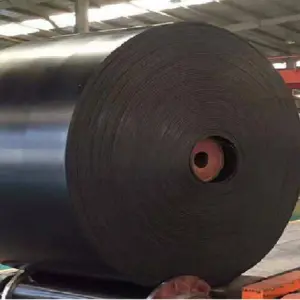
industrial rubber conveyor belt
Industrial Rubber Conveyor Belts: An Overview Industrial rubber conveyor belts are essential components in material handling systems across various industries, including mining, agriculture, manufacturing, and logistics. These belts facilitate the efficient movement of bulk materials, packaged goods, and raw products over short or long distances, enhancing productivity and reducing manual labor. Composition and Structure Rubber conveyor belts typically consist of multiple layers: 1. Top Cover: The outermost layer, made of abrasion-resistant rubber, protects the belt from wear caused by the conveyed materials. 2. Carcass (Reinforcement Layer): The core of the belt, usually composed of fabric (polyester, nylon, or cotton) or steel cords, provides tensile strength and flexibility. 3. Bottom Cover: A rubber layer that resists friction and supports the belt’s interaction with pulleys and rollers. The rubber used can be natural or synthetic (e.g., SBR, NBR, EPDM), selected based on factors like temperature resistance, oil resistance, or chemical exposure. Types and Applications - General-Purpose Belts: Used for transporting loose materials like grains, sand, or coal. - Heat-Resistant Belts: Designed for high-temperature environments, such as cement or steel plants. - Oil-Resistant Belts: Suitable for industries handling oils or greasy materials. - Chevron Belts: Feature raised patterns to prevent material slippage on inclines. - Heavy-Duty Belts: Reinforced with steel cords for mining or bulk material handling. Key Features and Benefits - Durability: Resistant to abrasion, tearing, and impact, ensuring long service life. - Flexibility: Adapts to conveyor systems with curves or inclines. - Low Maintenance: Requires minimal upkeep compared to mechanical alternatives. - Customization: Available in various widths, thicknesses, and surface textures to suit specific needs. Maintenance and Safety Proper maintenance includes regular inspections for wear, misalignment, or damage. Cleaning and tension adjustments prevent slippage and extend belt life. Safety measures like emergency stop systems and proper guarding are critical to prevent accidents. Conclusion Industrial rubber conveyor belts are indispensable in modern material handling, offering efficiency, reliability, and versatility. Their design and material selection ensure optimal performance in diverse industrial environments, making them a cornerstone of automated logistics and production systems.
Producto
Categoría:
-
Industrial Rubber Conveyor Belt Manufacturer & Supplier
Su clasificación: Conveyor Belt SystemsVistas: 12Número:Tiempo de liberación: 2025-12-26 11:44:23Product OverviewThe rubber conveyor belt is a core product widely used in industrial conveying systems for continuous and efficient material transportation. As a professional rubber conveyor belt manufacturer, we supply high-quality industrial rubber conveyor belts designed for durability, stability, and long service life. Rubber conveyor belts are suitable for conveying bulk materials and finished products under various working conditions, including heavy load, high impact, and long-distance transportation. With excellent abrasion resistance and strong tensile strength, rubber conveyor belts...
Noticias
Categoría:
¡Sin resultados de búsqueda!
Caso
Categoría:
¡Sin resultados de búsqueda!
Video
Categoría:
¡Sin resultados de búsqueda!
Descargar
Categoría:
¡Sin resultados de búsqueda!
Reclutamiento
Categoría:
¡Sin resultados de búsqueda!
Productos recomendados
¡Sin resultados de búsqueda!



 Whatsapp
 Teléfono