
 English
 Portugues
 Pусский
 Français
 Deutsch
 日本語
日本語 한국어
한국어 العربية
 Italiano
 Nederlands
 Ελληνικά
 Svenska
 Polski
 ไทย
ไทย Türk dili
 हिन्दी
 Indonesia
 Melayu
 Tiếng Việt
 中文
中文 dansk
dansk Magyar
 қазақ
қазақ বাংলা
বাংলা עִברִית
 čeština
 Soomaali
 မြန်မာ
 فارسی
فارسی українська
 norsk
norsk Gaeilge
 беларускі
 Română
 ພາສາລາວ
 Filipino
 lietuvių
 Cymraeg
 македонски
 Suomalainen
 slovenský
 o'zbek
 اردو
اردو հայերեն
 Igbo
Igbo български
 سنڌي
سنڌي Shona
Shona සිංහල
සිංහල Hrvatski
 íslenskur
 galego
 català
 Zulu South Africa
 Afrikaans isiXhosa
 ಕನ್ನಡ
ಕನ್ನಡ lëtzebuergesch
 Indonésia Sunda
 Кыргызча
 тоҷикӣ
 Србија
 Twi
Twi Hawaii
 Cebu
Cebu नेपाल
नेपाल euskara
 frissi
 יידיש
יידיש latvija
 slovenija
 kiswahili
 ਪੰਜਾਬ
ਪੰਜਾਬ پښتو
پښتو საქართველოს
 hua moni
 bosna
bosna Kreyòl ayisyen
 Eesti
Eesti Gàidhlig na h-Alba
 Samoa
Samoa Монгол
 Azərbaycan
 አማራ
አማራ Shqipëria
 Malagasy
 Malta
Malta ខ្មែរ
ខ្មែរ Chicheva
 中文(繁体)
 ଓଡିଆ
ଓଡିଆ Setswana
 Afrikaans
 Aymara
 Башҡорт
 Türkmenler
 ትግሪኛ
ትግሪኛ Afaan Oromoo
 অসমীয়া
 Kinyarwanda
 Ilocano
 Wolof
Wolof अवधी
अवधी Oluganda
 Bikol
Bikol Fulɓe
Fulɓe Kikongo
 Sango
Sango ދިވެހި
 Lingala
 मैथिली
 Tsonga
 ꯃꯦꯏ ꯊꯥꯏ꯫
 brezhoneg
 Furlan
 नेवा
नेवा རྫོང་ཁ
 Santali
 Аҧсуа
Аҧсуа Нохчийн
 Чӑваш
Чӑваш Татар
Татар Batak Karo
 دری
دری Diura
Diura Fengyu
 Eʋegbe
 Iban
Iban Fiji
Fiji Tonga
Tonga Inuktitut
 Nahuatl
 maaya yucatec
 Runasimi
 guarani
 Qafar
Qafar Acholi
 Dinka
Dinka Luo
Luo Lundi
Lundi isiNdebele
 Tshivenḓa
 Sesotho sa Leboa
 Sesotho sa Borwa
 Ndumbe
 Papuan Pidgin
 Rromani ćhib
 Thok Nath



lagged conveyor pulley
Lagged Conveyor Pulley: An Essential Component in Bulk Material Handling A lagged conveyor pulley is a critical component in belt conveyor systems, designed to improve traction, reduce slippage, and extend the lifespan of both the pulley and the conveyor belt. It consists of a standard pulley covered with a layer of lagging material, typically rubber, ceramic, or a combination of both, bonded to the pulley’s outer surface. This lagging enhances friction between the pulley and the belt, ensuring efficient power transmission and reliable operation in various industrial applications. Functions and Benefits 1. Enhanced Traction – The primary purpose of lagging is to increase the coefficient of friction between the pulley and the belt. This prevents belt slippage, especially in high-torque or inclined conveyor systems, ensuring consistent movement of bulk materials. 2. Belt Protection – The lagging material acts as a cushion, reducing wear and tear on the conveyor belt caused by continuous contact with the pulley. This extends the belt’s service life and minimizes maintenance costs. 3. Debris Resistance – Rubber or ceramic lagging helps repel moisture, dust, and other contaminants that could otherwise accumulate on the pulley surface, leading to belt misalignment or premature failure. 4. Noise Reduction – The lagging layer dampens vibrations and noise generated during operation, contributing to a quieter and safer working environment. 5. Improved Grip in Wet Conditions – Specially grooved or diamond-patterned lagging provides additional grip in wet or oily environments, preventing belt slippage even under challenging conditions. Types of Lagging - Rubber Lagging – The most common type, available in smooth, grooved, or diamond patterns. It offers excellent grip and flexibility. - Ceramic Lagging – Embedded with ceramic tiles for extreme abrasion resistance, ideal for heavy-duty applications with sharp or abrasive materials. - Hybrid Lagging – Combines rubber and ceramic elements to balance durability and traction. Applications Lagged pulleys are widely used in industries such as mining, cement, agriculture, and logistics, where bulk material handling is essential. They are typically installed as drive pulleys, tail pulleys, or snub pulleys to optimize belt performance. Maintenance Considerations Regular inspection of lagging is crucial to detect wear, cracks, or delamination. Damaged lagging should be replaced promptly to prevent belt damage and operational downtime. Proper pulley alignment and tensioning also contribute to the longevity of the lagging and the conveyor system as a whole. In summary, a lagged conveyor pulley is a vital element in ensuring smooth, efficient, and long-lasting conveyor belt operation. By improving traction, protecting the belt, and resisting environmental challenges, it plays a key role in maintaining productivity in material handling systems.
Producto
Categoría:
-
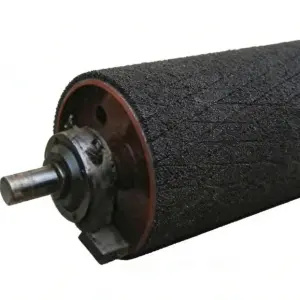
Rubber Lagged Conveyor Drum
Su clasificación: Drum Roller SeriesVistas: 18Número:Tiempo de liberación: 2026-01-08 09:20:13Product OverviewThe rubber lagged conveyor drum is a key power transmission component in belt conveyor systems, designed to improve friction, enhance belt traction, and ensure stable material conveying under various operating conditions. By applying a rubber coating to the drum surface, the contact friction between the drum and conveyor belt is significantly increased, effectively reducing belt slippage and improving overall conveying efficiency.Rubber lagged drums are widely used in mining, cement plants, ports, power stations, metallurgy, chemical processing, and other industrial material ha...
Noticias
Categoría:
-
[industry news]Lagged Conveyor Pulley: Types, Functions, and Selection Guid...
2026-01-09 13:11:38
Caso
Categoría:
¡Sin resultados de búsqueda!
Video
Categoría:
¡Sin resultados de búsqueda!
Descargar
Categoría:
¡Sin resultados de búsqueda!
Reclutamiento
Categoría:
¡Sin resultados de búsqueda!
Productos recomendados
¡Sin resultados de búsqueda!



 Whatsapp
 Teléfono