
 English
 Portugues
 Pусский
 Français
 Deutsch
 日本語
日本語 한국어
한국어 العربية
 Italiano
 Nederlands
 Ελληνικά
 Svenska
 Polski
 ไทย
ไทย Türk dili
 हिन्दी
 Indonesia
 Melayu
 Tiếng Việt
 中文
中文 dansk
dansk Magyar
 қазақ
қазақ বাংলা
বাংলা עִברִית
 čeština
 Soomaali
 မြန်မာ
 فارسی
فارسی українська
 norsk
norsk Gaeilge
 беларускі
 Română
 ພາສາລາວ
 Filipino
 lietuvių
 Cymraeg
 македонски
 Suomalainen
 slovenský
 o'zbek
 اردو
اردو հայերեն
 Igbo
Igbo български
 سنڌي
سنڌي Shona
Shona සිංහල
සිංහල Hrvatski
 íslenskur
 galego
 català
 Zulu South Africa
 Afrikaans isiXhosa
 ಕನ್ನಡ
ಕನ್ನಡ lëtzebuergesch
 Indonésia Sunda
 Кыргызча
 тоҷикӣ
 Србија
 Twi
Twi Hawaii
 Cebu
Cebu नेपाल
नेपाल euskara
 frissi
 יידיש
יידיש latvija
 slovenija
 kiswahili
 ਪੰਜਾਬ
ਪੰਜਾਬ پښتو
پښتو საქართველოს
 hua moni
 bosna
bosna Kreyòl ayisyen
 Eesti
Eesti Gàidhlig na h-Alba
 Samoa
Samoa Монгол
 Azərbaycan
 አማራ
አማራ Shqipëria
 Malagasy
 Malta
Malta ខ្មែរ
ខ្មែរ Chicheva
 中文(繁体)
 ଓଡିଆ
ଓଡିଆ Setswana
 Afrikaans
 Aymara
 Башҡорт
 Türkmenler
 ትግሪኛ
ትግሪኛ Afaan Oromoo
 অসমীয়া
 Kinyarwanda
 Ilocano
 Wolof
Wolof अवधी
अवधी Oluganda
 Bikol
Bikol Fulɓe
Fulɓe Kikongo
 Sango
Sango ދިވެހި
 Lingala
 मैथिली
 Tsonga
 ꯃꯦꯏ ꯊꯥꯏ꯫
 brezhoneg
 Furlan
 नेवा
नेवा རྫོང་ཁ
 Santali
 Аҧсуа
Аҧсуа Нохчийн
 Чӑваш
Чӑваш Татар
Татар Batak Karo
 دری
دری Diura
Diura Fengyu
 Eʋegbe
 Iban
Iban Fiji
Fiji Tonga
Tonga Inuktitut
 Nahuatl
 maaya yucatec
 Runasimi
 guarani
 Qafar
Qafar Acholi
 Dinka
Dinka Luo
Luo Lundi
Lundi isiNdebele
 Tshivenḓa
 Sesotho sa Leboa
 Sesotho sa Borwa
 Ndumbe
 Papuan Pidgin
 Rromani ćhib
 Thok Nath



NN conveyor belt
Neural Network Conveyor Belt: A Conceptual Overview A neural network (NN) conveyor belt is a metaphorical framework used to describe the streamlined, automated process of training, optimizing, and deploying machine learning models. Much like a physical conveyor belt in manufacturing, this concept emphasizes efficiency, scalability, and continuous improvement in the development of artificial intelligence (AI) systems. 1. Data Ingestion and Preprocessing The process begins with raw data being fed into the system, analogous to materials placed on a conveyor belt. This data may include text, images, or numerical inputs, often requiring cleaning, normalization, and augmentation. Preprocessing ensures uniformity, removing noise and biases that could hinder model performance. Feature extraction and transformation further refine the data, preparing it for the next stage. 2. Model Training and Optimization Once preprocessed, the data moves into the training phase, where neural networks learn patterns and relationships. The conveyor belt metaphor highlights the iterative nature of this step—models are trained, validated, and fine-tuned in cycles. Hyperparameter optimization, such as adjusting learning rates or layer architectures, occurs automatically or through reinforcement learning, ensuring continuous refinement. 3. Evaluation and Validation Trained models undergo rigorous testing using separate validation datasets to assess accuracy, generalization, and robustness. Metrics like precision, recall, and F1 scores determine whether a model meets performance thresholds. If not, it may loop back for retraining, mimicking the quality control checks on a production line. 4. Deployment and Inference Successful models advance to deployment, where they process real-world inputs in applications like recommendation systems, autonomous vehicles, or medical diagnostics. The conveyor belt ensures seamless integration with APIs, edge devices, or cloud platforms, enabling scalable inference. 5. Feedback and Continuous Learning Post-deployment, user feedback and new data re-enter the system, creating a closed-loop cycle. Models are periodically retrained to adapt to evolving trends, maintaining relevance—akin to a self-improving assembly line. Conclusion The NN conveyor belt represents an end-to-end pipeline that automates AI development, reducing manual intervention while enhancing speed and reliability. By standardizing workflows, it accelerates innovation, allowing organizations to deploy cutting-edge models efficiently. This approach is pivotal in advancing AI’s role across industries, from healthcare to finance, ensuring models remain accurate, fair, and up-to-date.
Producto
Categoría:
-
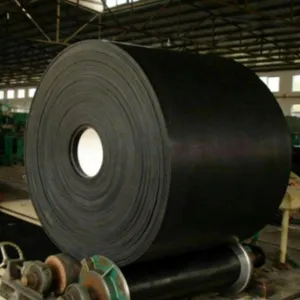
Nylon conveyor belts
Su clasificación: Conveyor Belt SystemsVistas: 18Número:Tiempo de liberación: 2025-12-29 13:15:10Product OverviewNylon conveyor belts are heavy-duty rubber conveyor belts designed for demanding material handling applications that require high tensile strength, excellent impact resistance, and superior flexibility. Compared with other fabric conveyor belts, nylon conveyor belts are especially suitable for long-distance conveying, high-load transportation, and environments with frequent starting and stopping.As one of the most reliable belt types in industrial conveying systems, nylon conveyor belts are widely used in mining, quarrying, ports, cement plants, steel plants, and bulk material...
Noticias
Categoría:
¡Sin resultados de búsqueda!
Caso
Categoría:
¡Sin resultados de búsqueda!
Video
Categoría:
¡Sin resultados de búsqueda!
Descargar
Categoría:
¡Sin resultados de búsqueda!
Reclutamiento
Categoría:
¡Sin resultados de búsqueda!
Productos recomendados
-
NEWS
Nylon conveyor belts
Conozca más



 Whatsapp
 Teléfono