
 English
 Portugues
 Pусский
 Français
 Deutsch
 日本語
日本語 한국어
한국어 العربية
 Italiano
 Nederlands
 Ελληνικά
 Svenska
 Polski
 ไทย
ไทย Türk dili
 हिन्दी
 Indonesia
 Melayu
 Tiếng Việt
 中文
中文 dansk
dansk Magyar
 қазақ
қазақ বাংলা
বাংলা עִברִית
 čeština
 Soomaali
 မြန်မာ
 فارسی
فارسی українська
 norsk
norsk Gaeilge
 беларускі
 Română
 ພາສາລາວ
 Filipino
 lietuvių
 Cymraeg
 македонски
 Suomalainen
 slovenský
 o'zbek
 اردو
اردو հայերեն
 Igbo
Igbo български
 سنڌي
سنڌي Shona
Shona සිංහල
සිංහල Hrvatski
 íslenskur
 galego
 català
 Zulu South Africa
 Afrikaans isiXhosa
 ಕನ್ನಡ
ಕನ್ನಡ lëtzebuergesch
 Indonésia Sunda
 Кыргызча
 тоҷикӣ
 Србија
 Twi
Twi Hawaii
 Cebu
Cebu नेपाल
नेपाल euskara
 frissi
 יידיש
יידיש latvija
 slovenija
 kiswahili
 ਪੰਜਾਬ
ਪੰਜਾਬ پښتو
پښتو საქართველოს
 hua moni
 bosna
bosna Kreyòl ayisyen
 Eesti
Eesti Gàidhlig na h-Alba
 Samoa
Samoa Монгол
 Azərbaycan
 አማራ
አማራ Shqipëria
 Malagasy
 Malta
Malta ខ្មែរ
ខ្មែរ Chicheva
 中文(繁体)
 ଓଡିଆ
ଓଡିଆ Setswana
 Afrikaans
 Aymara
 Башҡорт
 Türkmenler
 ትግሪኛ
ትግሪኛ Afaan Oromoo
 অসমীয়া
 Kinyarwanda
 Ilocano
 Wolof
Wolof अवधी
अवधी Oluganda
 Bikol
Bikol Fulɓe
Fulɓe Kikongo
 Sango
Sango ދިވެހި
 Lingala
 मैथिली
 Tsonga
 ꯃꯦꯏ ꯊꯥꯏ꯫
 brezhoneg
 Furlan
 नेवा
नेवा རྫོང་ཁ
 Santali
 Аҧсуа
Аҧсуа Нохчийн
 Чӑваш
Чӑваш Татар
Татар Batak Karo
 دری
دری Diura
Diura Fengyu
 Eʋegbe
 Iban
Iban Fiji
Fiji Tonga
Tonga Inuktitut
 Nahuatl
 maaya yucatec
 Runasimi
 guarani
 Qafar
Qafar Acholi
 Dinka
Dinka Luo
Luo Lundi
Lundi isiNdebele
 Tshivenḓa
 Sesotho sa Leboa
 Sesotho sa Borwa
 Ndumbe
 Papuan Pidgin
 Rromani ćhib
 Thok Nath



rubber coated pulley
Rubber-Coated Pulleys: Enhancing Performance and Durability in Mechanical Systems Rubber-coated pulleys are essential components in various mechanical and industrial applications, offering superior performance, noise reduction, and extended service life compared to standard metal or plastic pulleys. These pulleys consist of a core, typically made of steel, aluminum, or composite materials, which is then coated with a layer of high-quality rubber or elastomeric material. The rubber coating provides several functional advantages, making them ideal for power transmission, conveyor systems, automotive applications, and more. Key Features and Benefits 1. Enhanced Traction and Grip The rubber coating significantly improves friction between the pulley and the belt, preventing slippage even under high loads or variable speeds. This ensures efficient power transmission and reduces energy loss, making rubber-coated pulleys suitable for heavy-duty applications. 2. Noise and Vibration Damping Rubber acts as a natural dampener, absorbing vibrations and reducing operational noise. This is particularly beneficial in environments where quiet operation is essential, such as in HVAC systems, printing machinery, or food processing equipment. 3. Belt Protection and Longevity The soft rubber surface minimizes wear and tear on belts, reducing the risk of cracks, fraying, or premature failure. This extends the lifespan of both the pulley and the belt, lowering maintenance costs and downtime. 4. Corrosion and Chemical Resistance High-quality rubber coatings resist moisture, oils, and certain chemicals, making these pulleys suitable for harsh environments, including marine, agricultural, or industrial settings where exposure to corrosive elements is common. 5. Shock Absorption In applications with sudden load changes or impacts, the rubber layer absorbs shocks, protecting the pulley structure and connected machinery from damage. Common Applications Rubber-coated pulleys are widely used in: - Conveyor Systems: Ensuring smooth material handling in logistics, mining, and manufacturing. - Automotive Accessories: Found in alternators, power steering systems, and serpentine belt drives. - Fitness Equipment: Reducing noise in treadmills and other motorized machines. - Agricultural Machinery: Withstanding dirt, moisture, and heavy loads in tractors and harvesters. Material and Design Considerations The rubber coating can vary in hardness (measured in durometer) and composition (natural rubber, neoprene, or polyurethane) depending on the application. Proper groove design (e.g., V-groove, flat, or crowned) further optimizes belt alignment and performance. Conclusion Rubber-coated pulleys are a cost-effective solution for improving efficiency, reducing maintenance, and enhancing the durability of mechanical systems. Their versatility and performance make them indispensable in industries where reliability and smooth operation are critical. By selecting the right rubber compound and pulley design, engineers can optimize system performance for a wide range of demanding applications.
Producto
Categoría:
-
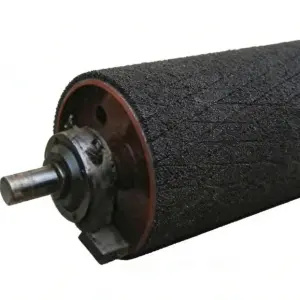
Rubber Lagged Conveyor Drum
Su clasificación: Drum Roller SeriesVistas: 18Número:Tiempo de liberación: 2026-01-08 09:20:13Product OverviewThe rubber lagged conveyor drum is a key power transmission component in belt conveyor systems, designed to improve friction, enhance belt traction, and ensure stable material conveying under various operating conditions. By applying a rubber coating to the drum surface, the contact friction between the drum and conveyor belt is significantly increased, effectively reducing belt slippage and improving overall conveying efficiency.Rubber lagged drums are widely used in mining, cement plants, ports, power stations, metallurgy, chemical processing, and other industrial material ha...
Noticias
Categoría:
-
[industry news]Rubber Coated Pulley vs Steel Pulley in Belt Conveyor System...
2026-01-09 14:39:45
Caso
Categoría:
¡Sin resultados de búsqueda!
Video
Categoría:
¡Sin resultados de búsqueda!
Descargar
Categoría:
¡Sin resultados de búsqueda!
Reclutamiento
Categoría:
¡Sin resultados de búsqueda!
Productos recomendados
¡Sin resultados de búsqueda!



 Whatsapp
 Teléfono